Learning how to fish can be an exciting adventure. But, with so many options for gear and tackle, it can be daunting to know how to pack a tackle box.
The basic essentials are all any angler needs to have a successful day of fishing in Pennsylvania.
Hooks
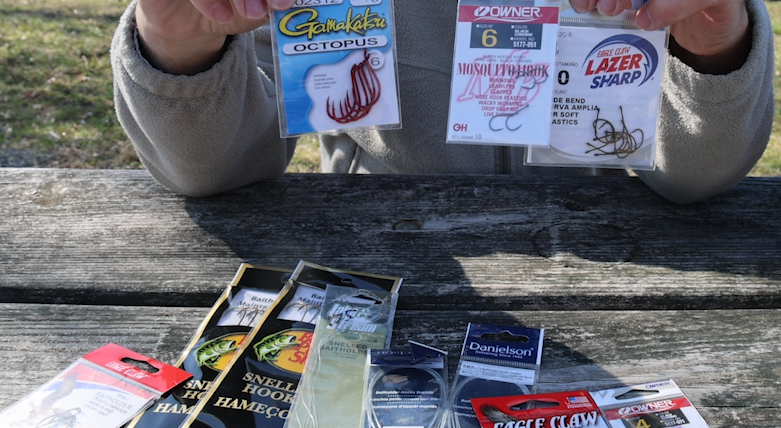
Hooks help anglers connect to a fish. An assortment of baitholder hooks are great for all types of Pennsylvania fishing.
Smaller hooks, like size 6, 8 and 10 are best for fishing for trout and panfish, like Bluegills and Yellow Perch.
Larger hooks up to size 2 are perfect for bigger fish species, like Bass and catfish.
For catch-and-release fishing, try to find barbless hooks.
Weights
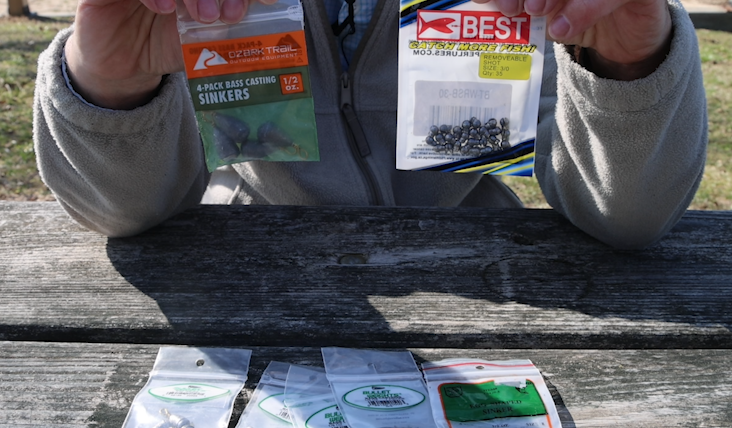
Weights are attached to fishing line to help you cast and keep your bait at a certain location in the water.
Smaller weights, like splitshot, clamp directly to your fishing line and are ideal for fishing along streams and rivers. The splitshot weighs your line down enough that you can drift your bait or target deeper parts of the current.
Larger weights, like bell sinkers, are ideal for keep your bait on the bottom for targeting catfish and carp.
Swivels
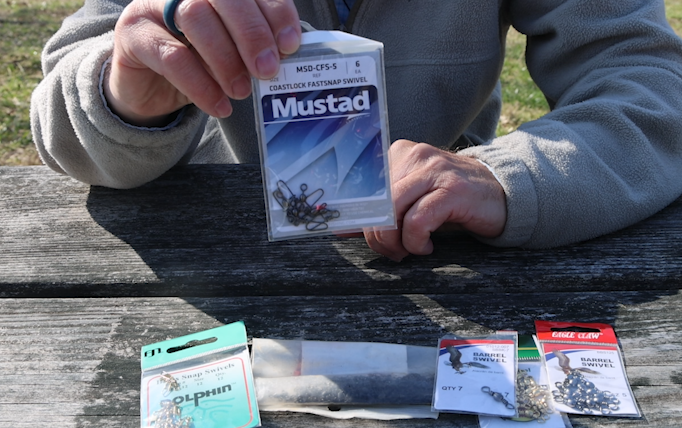
Barrel swivels move 360 degrees and keep your line from twisting.
Snap swivels make it easy to change out different types of bait.
Bobbers
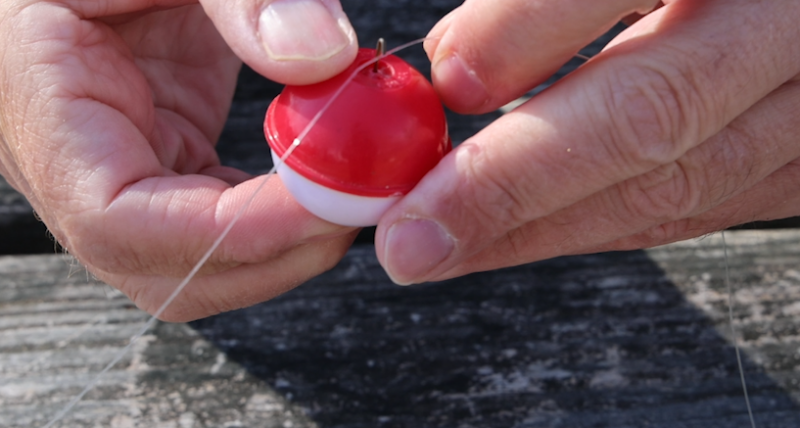
Bobbers help to suspend your bait and keep it at the right depth to get bites from fish. They are simple to use and come in a variety of shapes, sizes and colors.
Bobbers are spring-loaded with a hook to attach to your line. Once you push down on the spring, a metal hook pops-up on the bottom-side of the bobber for you to hook your line to. Repeat this same step on the other of the bobber and you are ready to go!
Forceps
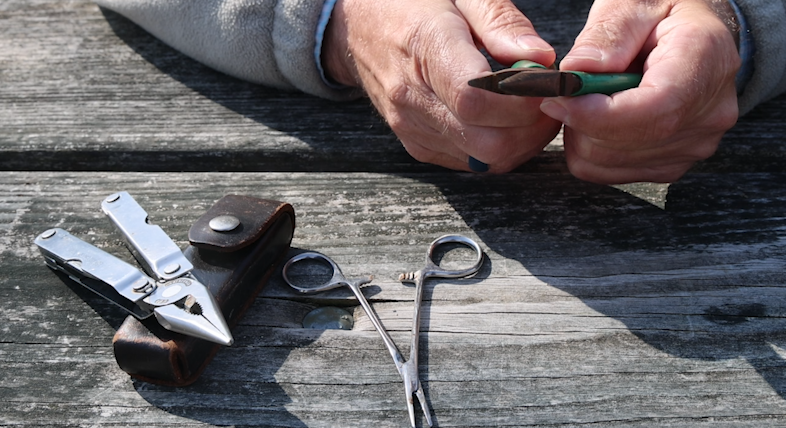
A pair of forceps, needle nose pliers or a multi-tool will help with attaching weights, tying knots and, most importantly, unhooking a fish after an awesome catch.
Tape Measure
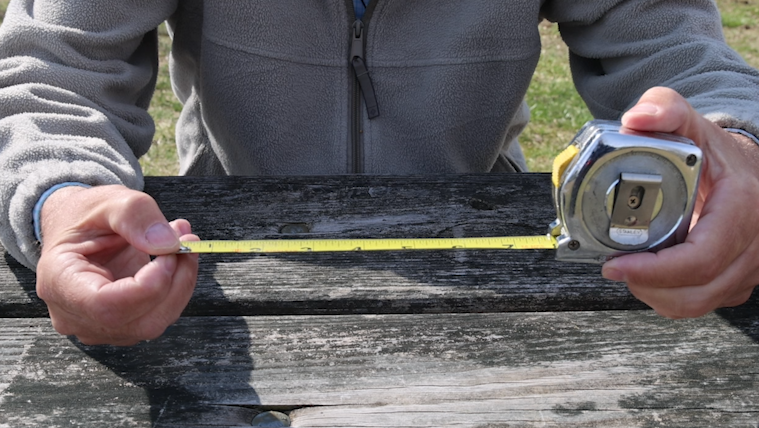
There are size restrictions on most species of fish in Pennsylvania. Sizes can range from a minimum of 7 inches for trout and panfish, to 15 inches for Bass, and all the way up to 40 inches for musky. If you are harvesting a fish, a tape measure or ruler will help you determine whether or not your catch is legal to keep.
Lures
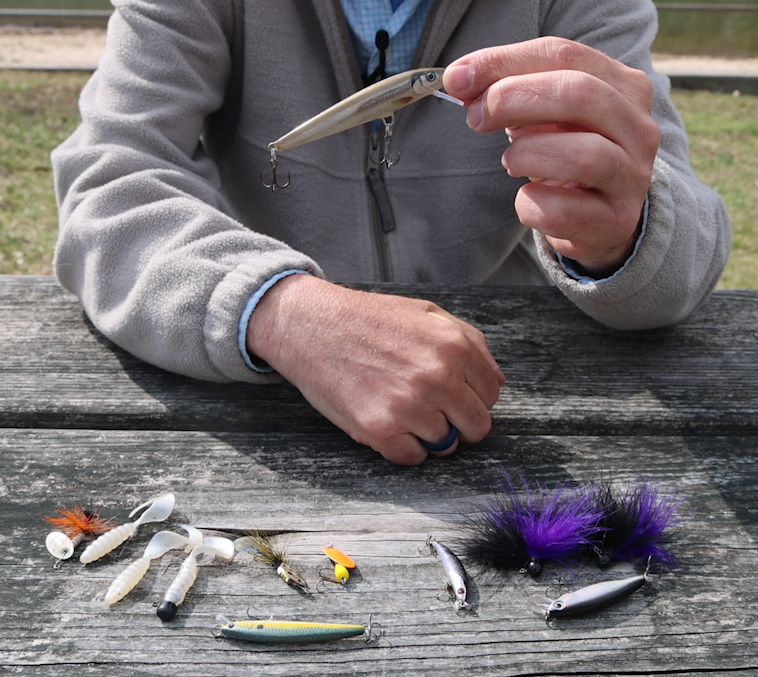
Artificial lures are a must-have when fishing in Pennsylvania.
Weighted baits, like marabou jigs and twister tail jigs, mimic baitfish and crayfish to appeal to fish. These lures are ideal for fishing deeper in the water.
Topwater lures are perfect for targeting fish that are feeding on the surface of the water.
Many anglers start with live bait, like different types of worms and minnows, and then move on to using artificial bait. Check out our Fishing Baits and Lures blog for more information.
As you gain experience, you’ll be able to expand your fishing tackle collection to build a tackle box based on the fish you like to target and your preferred style of fishing.
Adapted from “How to Set Up a Beginner’s Tackle Box” by Jeff Woleslagle in Pennsylvania Angler & Boater Magazine.